
ATP Surface Strategy 2026: Court-Specific ROI & Player Data
 Available in US
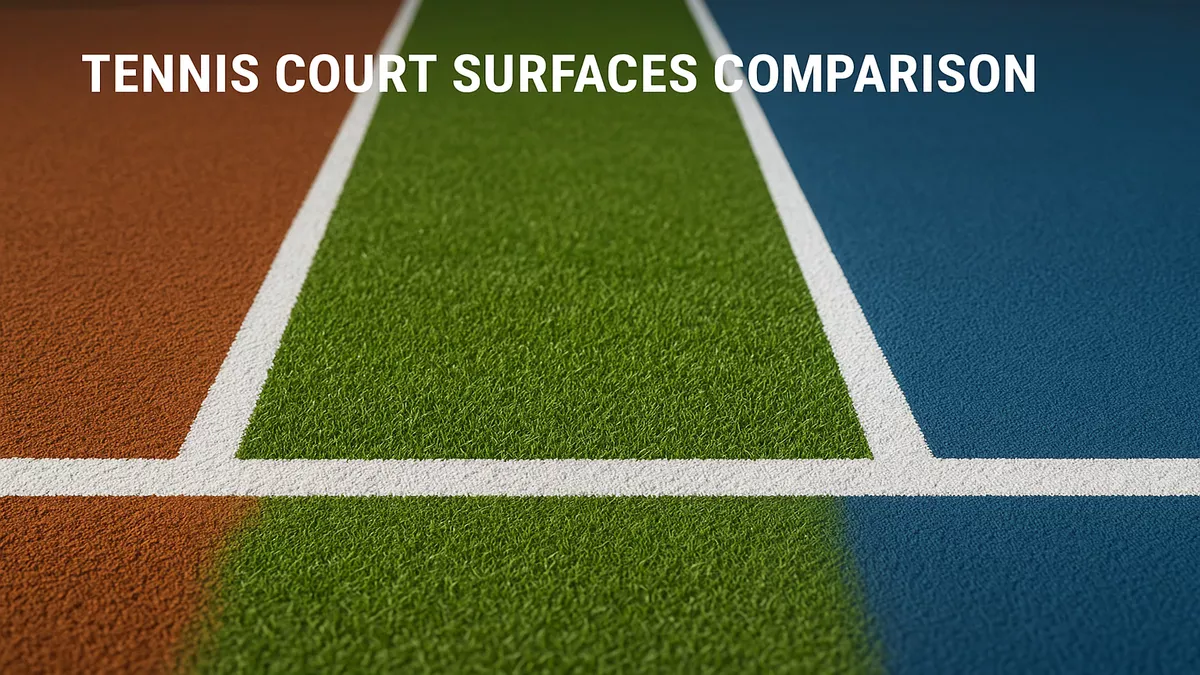
Tennis is unique among major sports because the playing surface changes throughout the year. Imagine if the NBA switched between hardwood and carpet mid-season, or if baseball alternated between grass and artificial turf every few weeks. That’s essentially what ATP players face, and it creates massive betting opportunities for those who understand how surfaces affect match outcomes.
I’ve watched countless bettors ignore surface considerations entirely. They see a player won three matches in a row and assume that form carries over to the next tournament, not realizing that player just moved from clay to grass two surfaces that might as well be different sports. The stylistic advantages that made them dominant on clay evaporate on grass, but the betting markets take days or even weeks to fully adjust.
This guide breaks down how each ATP surface affects betting strategy. We’ll cover the obvious stuff like which players excel on which surfaces, but more importantly, we’ll dig into the subtle factors that create exploitable edges court speed variations within the same surface category, weather impacts, and the transition periods between surfaces where markets are most inefficient.
2026 Surface Index: How Court Speed Dictates Odds
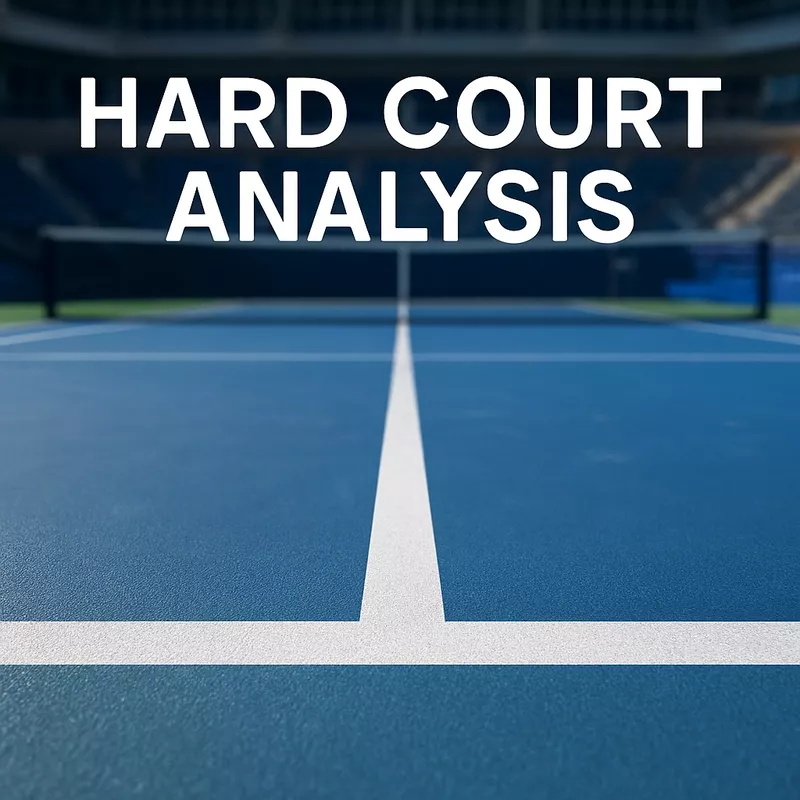
Hard courts make up roughly 60% of the ATP calendar, which makes them the default surface for most bettors. But treating all hard courts as identical is a costly mistake. The variation in speed and bounce characteristics between different hard court tournaments is enormous.
The Australian Open and US Open both play on hard courts, but they feel completely different to players. Melbourne’s courts are relatively fast with true bounces. New York’s courts are noticeably slower and slightly higher bouncing. Then you have Cincinnati’s hard courts, which are lightning fast, and Indian Wells, which plays closer to medium-fast. These differences aren’t cosmetic they fundamentally change which playing styles succeed.
When analyzing hard court matches, the first question should always be: how fast is this specific hard court? Court speed ratings exist, but they’re not always published. I’ve built my own rankings based on watching matches and tracking ace rates, rally lengths, and break point conversion percentages. Fast hard courts produce more aces and shorter rallies. Slow hard courts produce longer rallies and more breaks of serve.
Big servers dominate on fast hard courts in ways they can’t on slower surfaces. When a player with a massive serve faces an average returner on fast hard courts, the return becomes almost decorative just trying to get the ball back in play, with little ability to put pressure on the server. This creates situations where serve-dominant players are genuinely undervalued because markets price them based on overall statistics rather than their specific performance on fast courts.
I’ve tracked this pattern for years. Players like John Isner, Milos Raonic during his peak, and currently guys like Reilly Opelka consistently outperform their ranking on fast hard courts. When these players compete on slow hard courts, their advantage shrinks dramatically. But bookmakers tend to set their odds based on recent form and ranking rather than the specific court speed they’re playing on.
Baseline grinders benefit from slower hard courts. Players who rely on consistent depth, defensive ability, and wearing opponents down through long rallies find their game much more effective when court speed slows down. Rafael Nadal’s success on hard courts came disproportionately at slower hard court events. He struggled more on fast hard courts where his opponents could dictate with their serves and forehands.
Indoor versus outdoor hard court tennis creates another layer of complexity. Indoor hard courts eliminate weather variables no sun, no wind, no humidity changes. This consistency favors players with technical, rehearsed games. Outdoor hard courts introduce weather elements that can swing match dynamics significantly.
Wind affects hard court matches more than casual observers realize. Strong wind disrupts ball tosses on serves, making aces harder and double faults more common. It also affects ball trajectories on groundstrokes, which can neutralize technical superiority. When forecasts show sustained winds above 15 mph, I adjust my handicapping to favor grittier players who can adapt over technically perfect players whose games depend on precision.
Temperature impacts hard court play too. Hot conditions make balls bounce higher and courts play slower, which benefits baseline players. Cold weather tightens tennis balls, reducing their bounce, which generally favors servers. If you’re betting an evening match in a desert location like Indian Wells, temperatures might drop 30 degrees from afternoon to evening, significantly changing playing conditions from earlier rounds.
Regional court differences within hard court tennis deserve attention. American hard courts tend to play faster than Asian hard courts. European indoor hard courts vary wildly some fast, some quite slow. When a European player who’s been dominating indoor tennis travels to outdoor hard courts in Asia, their form doesn’t automatically translate. The surface category is technically the same, but the actual playing conditions are drastically different.
The hard court season splits into two main segments the Australian summer (January-March) and the North American summer (August-September). Players who peak during one segment don’t always maintain form through the other. Some players consistently perform better on outdoor hard courts in warm weather, while others excel in indoor conditions or cooler climates. Tracking these patterns creates betting edges.
Clay Court Specialist Targeting
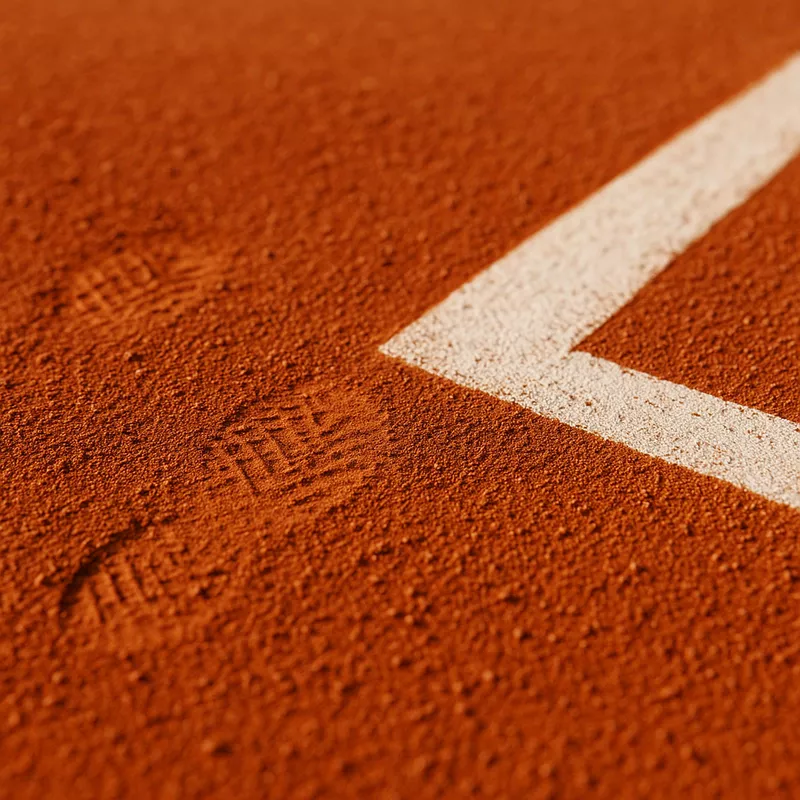
Clay courts slow the game down dramatically. The surface absorbs ball speed and produces high bounces, which neutralizes big serves and rewards stamina, footwork, and strategic patience. This creates the most predictable surface-specific betting opportunities on the ATP tour.
Clay court specialists are the most identifiable category of players in tennis. When you see someone’s clay court winning percentage is 15-20% higher than their hard court percentage, you’ve found a true clay court specialist. These players become criminally undervalued when they play on clay against higher-ranked opponents who don’t share their clay court expertise.
The most consistent money I’ve made in tennis betting comes from backing clay court specialists at European clay court tournaments in April and May. The market tends to overweight current ranking and recent results, which often includes hard court performance from earlier in the year. But put that same player on clay, especially at tournaments where they’ve historically performed well, and their win probability increases dramatically.
Rally length on clay creates a physical test that hard courts don’t replicate. Points last longer, matches last longer, and the cumulative physical toll throughout a tournament is substantial. Players with exceptional fitness and movement thrive. Players who rely on quick points and aggressive play struggle. This matters especially in later tournament rounds when physical reserves become crucial.
I pay particular attention to players coming into clay court season. Some players arrive having played significant clay court matches in South American tournaments or Challengers, already adapted to the surface and in form. Others arrive having played exclusively hard courts for months, essentially starting from scratch on clay. That adaptation period creates opportunities to back players who are already clay-ready against higher-ranked opponents still adjusting.
The European clay swing runs from April through early June, featuring Masters 1000 events in Monte Carlo, Madrid, and Rome, plus numerous ATP 500 and 250 tournaments, culminating in the French Open. This extended clay season means form can build throughout the swing. A player who loses early in Monte Carlo might figure things out by Madrid, hit peak form in Rome, and carry that into Paris. Tracking this progression creates value.
South American clay differs from European clay in ways that affect betting. The altitude in Bogota and La Paz makes balls fly faster despite the clay surface. Argentine clay tends to play slower than Spanish clay. These variations mean a player dominating South American clay events might still struggle when they arrive in Europe for the main clay season.
Court maintenance and wetness dramatically affect clay court play. Freshly watered clay plays heavy and slow. Dry clay gets faster and lower bouncing. Tournaments maintain courts differently some keep them damp and slow, others let them dry out and play faster. When you know a tournament’s typical court maintenance preferences and match that against player profiles, edges emerge.
Rain delays affect clay court matches uniquely. Clay courts can’t handle rain at all they become unplayable mud. This creates scheduling chaos. When rain interrupts a clay court tournament, expect compressed schedules with players facing potential back-to-back matches. This creates opportunities to fade players with less physical stamina or to back players who just got rest days due to opponents’ withdrawals.
Mental characteristics matter more on clay than any other surface. Clay court matches are wars of attrition you need patience to construct points, resilience to handle momentum shifts, and emotional stability to grind through four-hour matches. Players with mental fragility who succeed on faster surfaces often crumble on clay when matches extend. Identifying these mental tendencies requires watching matches, not just checking statistics.
Mastering clay or grass requires a deep understanding of the ATP tournament hierarchy and how different players prioritize their schedules.
Grass Court Volatility
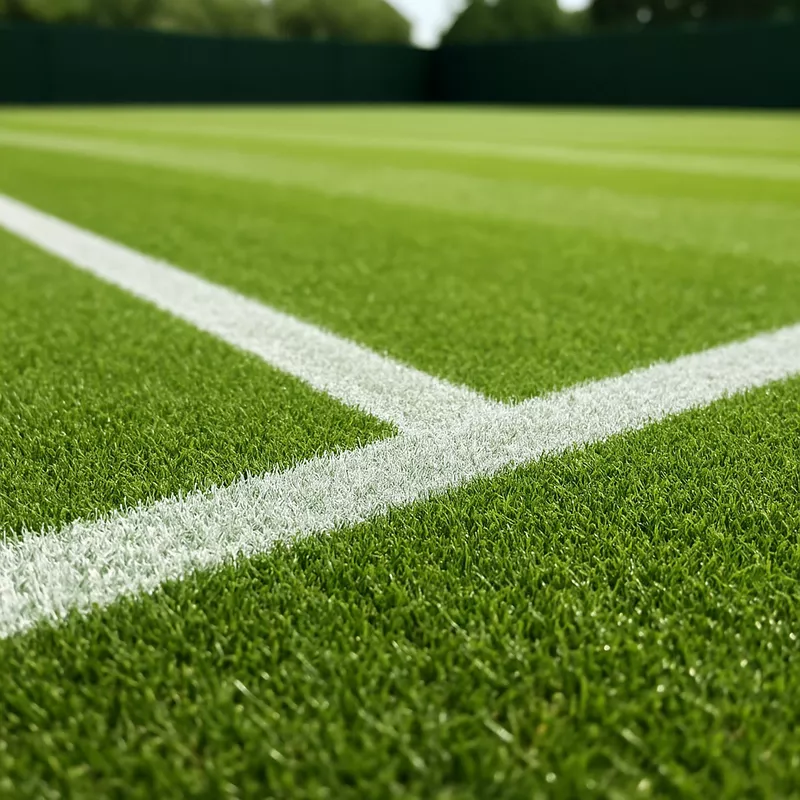
Grass court season lasts approximately one month mid-June through early July and features relatively few tournaments. This creates unique betting dynamics. Players have minimal time to adapt, form emerges and disappears rapidly, and the surface characteristics produce unusual match dynamics.
The serve becomes overwhelmingly important on grass. The low bounce and fast surface make returning incredibly difficult. Matches feature shorter rallies, more service holds, and frequent tiebreaks. This volatility means upsets happen more often a player ranked 80 can beat a top-10 player on grass if their serve is working that day, whereas on clay that same upset would require the favorite having a complete meltdown.
Grass court pedigree matters more than current form. Some players simply understand grass court tennis they serve effectively, transition to net naturally, and handle low bounces. Others never adapt no matter how many grass seasons they play. When handicapping grass court matches, I weight historical grass court performance more heavily than recent results on other surfaces.
Big servers get drastically undervalued on grass early in the season. The market hasn’t fully adjusted from clay court tennis where their serve was less effective. Suddenly they’re playing on the fastest surface of the year, their serve becomes a devastating weapon, and their odds don’t reflect this advantage for several days. The first week of grass season is consistently profitable for backing serve-dominant players.
Movement on grass requires different skills than other surfaces. Players need to stay balanced on the slick surface, adjust to unpredictable bounces, and move efficiently in ways that don’t work on clay or hard courts. Watch how players move during their first grass match some look comfortable immediately, others look like they’re skating on ice. That first-match movement quality predicts performance throughout the brief grass season.
Wimbledon plays differently than smaller grass tournaments. The grass at Wimbledon is pristine in week one but wears down significantly by week two, developing brown patches and uneven bounces. Early rounds favor servers, but by the second week, the grass has deteriorated enough that baseline play becomes more viable. This progression affects betting strategy back big servers early, but don’t overvalue them in later rounds.
Weather at Wimbledon creates constant complications. Rain delays are frequent, and the famous Centre Court roof means some matches play in controlled indoor conditions while others play outdoors subject to wind and changing light. When betting Wimbledon matches, check which court they’re scheduled for and what the weather forecast shows. A match scheduled for Centre Court essentially becomes an indoor match if rain threatens.
The grass court transition catches players at different stages of adaptation. Some arrive at Wimbledon having played two grass warmup tournaments they’re comfortable and in form. Others play one grass event or none, arriving at Wimbledon essentially cold. This experience gap creates significant value in early Wimbledon rounds when adapted players face opponents still adjusting.
Slice shots become much more effective on grass. The low bounce means sliced balls stay low and skid through the court, making them harder to attack. Players with excellent slice backhands gain an advantage on grass that they don’t have on other surfaces. This technical advantage doesn’t show up in most statistics but meaningfully affects match outcomes.
Surface Transition Periods
The weeks immediately following surface changes represent the richest betting opportunities in tennis. Markets are slow to adjust, players are at varying stages of adaptation, and form from the previous surface creates misleading signals.
The clay to grass transition in mid-June is the most dramatic. Players go from the slowest surface to the fastest in a matter of days. Clay court specialists who’ve been winning for weeks suddenly struggle on grass. Big servers who were mediocre on clay suddenly become dangerous. Yet betting markets take several days to fully recalibrate.
I aggressively bet against clay court specialists in their first grass court matches unless they have historical grass court success. The market overvalues their recent clay court form and underestimates how much their game suffers on grass. Conversely, I bet on players with solid serve stats who struggled on clay their odds reflect recent poor form, but that form was surface-specific and irrelevant on grass.
The hard court to clay transition in late March creates similar opportunities. Players arriving at Monte Carlo or Houston having played hard courts for months need time to adjust their movement, shot selection, and tactical approach. Their first match or two on clay is often shaky even if they’re quality clay court players. This creates value backing opponents who’ve already played several clay matches.
Adaptation speed varies by player. Some players transition between surfaces within one or two matches they’re versatile, experienced, and technically sound enough to adjust quickly. Others need a full week of matches before they’re comfortable. Identifying fast adapters creates betting value in early tournament rounds during transition periods.
Age affects surface transition ability. Younger players generally adapt faster their bodies are more resilient, they have fewer ingrained habits, and they’re still developing their games. Veterans over 32 or 33 often struggle more with transitions because their games are more set in their ways and their bodies need more time to adjust to different movement patterns.
The hard court to hard court transitions also matter, even though it’s technically the same surface. When players move from outdoor hard courts in spring to indoor hard courts in fall, conditions change dramatically. Indoor tennis is faster, lighting differs, and there’s no weather to manage. Players need to adjust even though the surface category remains hard court.
Multi-Surface Players and Versatility Premium
True all-court players those who perform consistently across all surfaces deserve a versatility premium in your handicapping. These players don’t dominate any single surface, but they’re never out of their element. This consistency makes them valuable bets during surface transitions when specialists are struggling.
Identifying versatile players requires looking at their results across all surfaces, not just their overall ranking. A player ranked 25 who has relatively even winning percentages across clay, grass, and hard courts is more valuable during transition periods than a player ranked 20 who excels on clay but struggles on other surfaces.
Novak Djokovic represents the gold standard for surface versatility. His winning percentages across all surfaces are remarkably consistent. This versatility means his odds are generally efficient markets correctly price his adaptability. But it also means he’s a safer bet during uncertain periods when other players’ form might not translate across surfaces.
Surface preference shifts happen throughout careers. A player who excelled on clay in their early 20s might develop into more of a hard court player by their late 20s. These transitions create betting opportunities when markets are slow to recognize the shift. If you notice a formerly clay-specialized player suddenly performing better on hard courts over a full season, they’ve likely evolved their game. Their odds at hard court tournaments might not reflect this evolution yet.
Younger players often develop surface preferences as their careers progress. In their late teens and early 20s, most players are relatively versatile because they’re still figuring out their optimal game style. As they mature, they typically specialize more developing games that thrive on specific surfaces. Tracking this specialization as it happens creates betting value.
Weather and Condition Changes
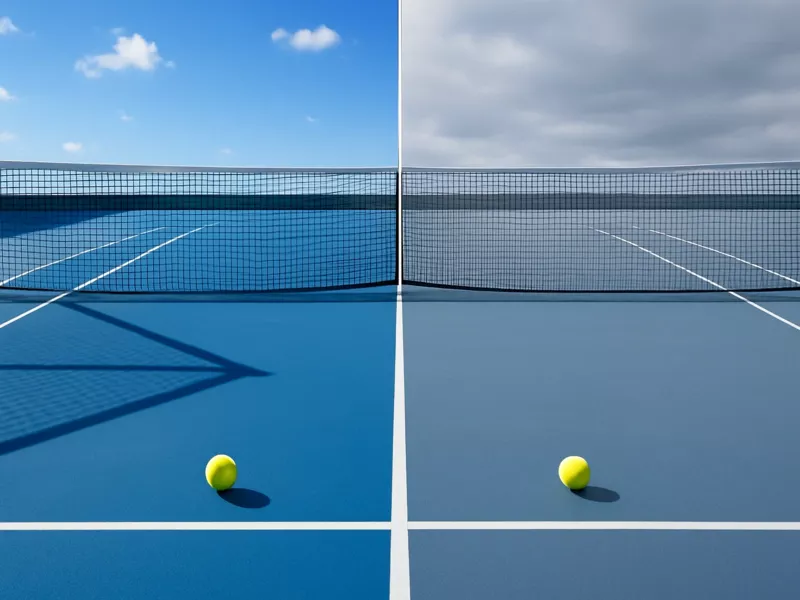
Environmental conditions affect different surfaces in dramatically different ways. Understanding these interactions creates edges that pure statistical analysis misses.
Humidity affects ball behavior across all surfaces but most noticeably on hard courts and grass. High humidity makes balls heavier and slower, which slightly favors baseline players over servers. Dry conditions make balls lighter and faster, favoring servers and aggressive players. When betting matches in humid locations like Miami or Houston, adjust expectations toward longer rallies and fewer aces.
Altitude creates fascinating surface interactions. High altitude tournaments like those in Bogota or Mexico City see balls fly faster due to thinner air. On clay, this partially offsets the surface’s natural slowness. On hard courts, it makes already fast surfaces even faster. Players with big serves and aggressive games gain outsized advantages at altitude regardless of surface.
Sun position affects clay court matches more than other surfaces. Clay shows footprints and markings, and in certain sun angles, these become harder to see. Players who struggle with visual tracking in challenging light conditions are at a disadvantage. This seems minor but affects match outcomes more than most bettors realize.
Wind impacts different surfaces differently. On clay, wind disrupts rallies but the surface stays consistent. On grass, wind combined with the low bounce creates especially difficult playing conditions. On hard courts, wind can be somewhat managed depending on court surroundings. When forecasts show strong wind, favor players with more compact, controlled swings over players with big, loose strokes.
Temperature swings matter most for outdoor hard courts. Morning matches might be 60 degrees, afternoon matches 85 degrees, and evening matches back down to 65 degrees. These temperature changes affect not just player comfort but ball bounce and court speed. Players who adapt better to varying conditions gain edges that don’t show up in their statistics.
Strategic Betting Applications
All this surface knowledge means nothing without translating it into profitable betting decisions. Here’s how to apply surface analysis practically.
Build surface-specific player profiles. For every player you regularly bet on or against, document their performance metrics by surface winning percentage, ace rate, break point conversion, tiebreak record. This database becomes your edge when markets misprice based on overall form rather than surface-specific performance.
Track transition performance separately. Note which players consistently perform well or poorly in their first match after a surface change. These patterns are remarkably stable players who struggle with transitions do so repeatedly, yet markets continue to overprice them in those situations.
Adjust bankroll allocation by surface. I bet most aggressively on clay because surface specialization is most pronounced and market inefficiencies are largest. I bet more conservatively on grass because the short season and high variance create more unpredictability. On hard courts, my betting volume is highest but my edge per bet is smallest.
Use surface analysis to identify value in futures markets. Before clay season starts, identify clay specialists who are undervalued in clay court tournament futures. Before grass season, target big servers with grass court pedigree. These futures bets have lower win rates but higher payouts when they hit.
Don’t overfit surface data to small samples. A player having one great clay season might be a fluke. But a player consistently outperforming on clay over three or four years has revealed genuine surface expertise. Distinguish between random variance and true underlying skill differences.
Consider surface expertise when evaluating injuries. A big server recovering from injury might be worth backing immediately on grass where their game requires less movement. That same player might need more recovery time before backing them on clay where physical demands are greater.
Surface-specific betting isn’t about memorizing which players prefer which surfaces. It’s about understanding the deep mechanical reasons why certain styles succeed on certain surfaces, tracking how individual players adapt to transitions, and identifying situations where markets are pricing based on irrelevant recent form rather than surface-specific ability.
The ATP tour’s multi-surface nature is what makes tennis betting profitable for those willing to do the analytical work. Other sports play on consistent surfaces year-round, which makes markets highly efficient. Tennis markets can’t possibly be fully efficient across all surface variations, which means exploitable edges persist for bettors who understand surface dynamics at a deeper level than the market consensus.
Our mission at Bet ATP is to provide you with data-driven insights for every court type.
